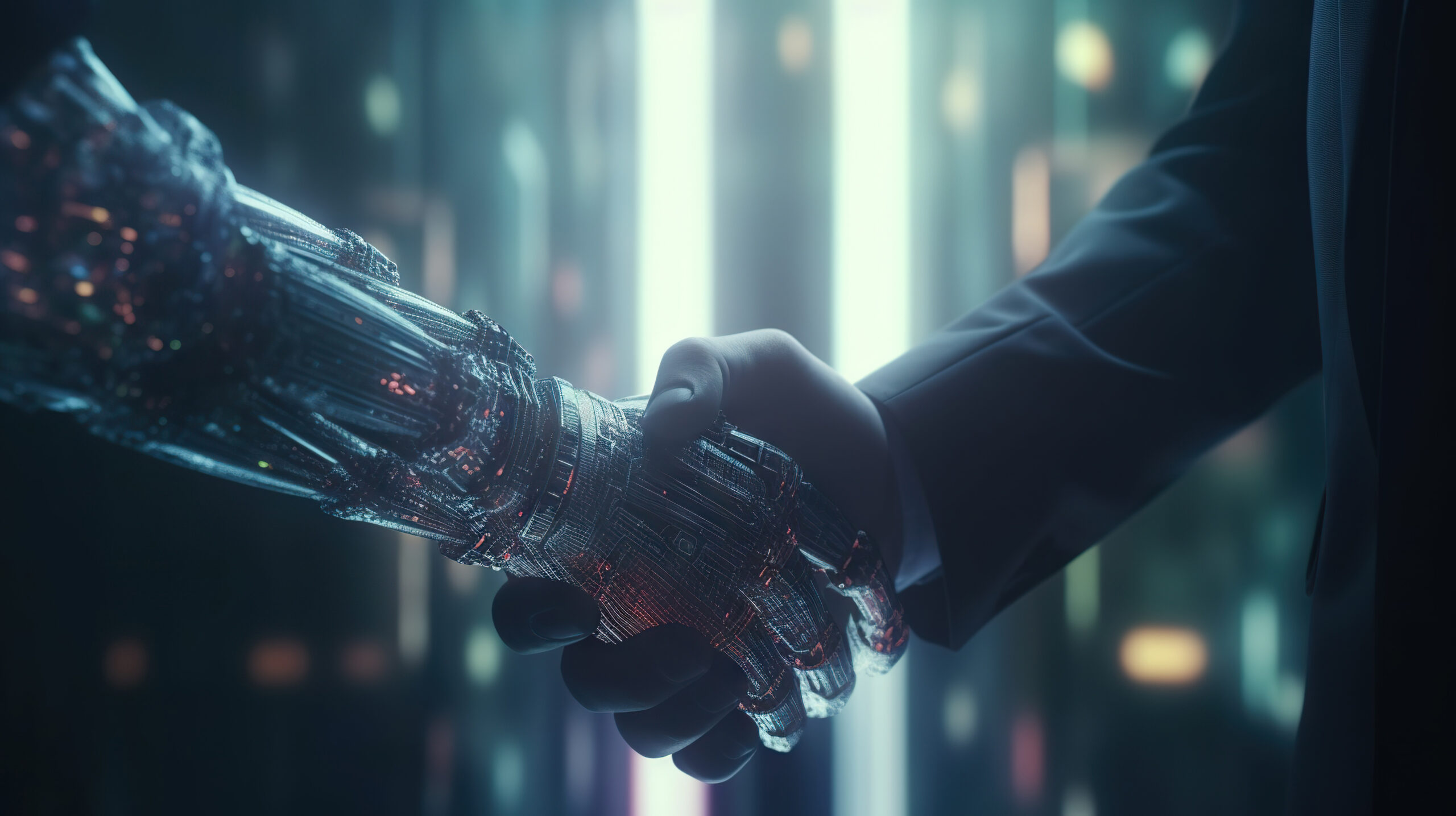
The implementation of Artificial Intelligence (AI) has become a prevalent trend among businesses seeking efficient and prompt content generation. From generating articles and digital artwork to crafting captivating captions, AI has proven its potential to deliver results within minutes. However, due to its nature as an artificial creation, the content produced by AI can sometimes appear peculiar. Unfortunately, hackers have already recognized the capabilities of AI and are leveraging this technology to amplify the effectiveness of their malicious activities; read about how Hiatus Malware Targets Business Routers. This article aims to explore the intersection of AI and hacking, shedding light on how hackers can exploit AI’s capabilities and what measures can be taken to identify and combat their efforts.
Unveiling the Power of AI
AI, an acronym for Artificial Intelligence, simulates human intelligence by tapping into vast databases of information rather than generating original thoughts. While AI may appear to possess autonomous thinking capabilities, it essentially amalgamates the knowledge it has access to, ultimately presenting a finished piece of work. This remarkable attribute allows AI to compose comprehensive papers, articles, and blog posts on a wide array of subjects. Unfortunately, this proficiency in writing is precisely what hackers exploit to refine their phishing attempts.
Leveraging AI for Malicious Intent
Hackers have begun harnessing the power of AI to create increasingly convincing phishing emails. In the past, discerning the authenticity of a phishing attempt was often possible through the identification of grammatical errors or spelling mistakes. However, with AI now contributing to the composition of these fraudulent emails, hackers are successfully deceiving a growing number of unsuspecting individuals. Consequently, it is crucial to adopt multiple strategies to validate the legitimacy of an email, even if it appears flawless.
Detecting Phishing Attempts in an AI Era
To safeguard against phishing attempts, it is vital to remain vigilant and implement the following measures:
- Scrutinize the Email Address: Hover your cursor over the email address and carefully examine it for any anomalies or unfamiliar components. Hackers often employ slight variations or spelling errors to deceive recipients. A prime example is the Patched Microsoft Outlook Vulnerability that took place earlier this year.
- Exercise Caution with Unexpected Requests: If you encounter an unexpected request, treat it as a potential red flag. When in doubt, contact the individual or organization directly to verify the legitimacy of the request.
- Avoid Clicking Suspicious Links: Requests asking for personal information through hyperlink clicks are typically associated with malicious intent. Refrain from clicking any such links and instead visit the relevant website independently to verify your account status.
- Stay Wary of Too-Good-to-Be-True Offers: Be cautious of offers or prizes that appear excessively enticing, as they often serve as bait for unsuspecting victims. Remember the age-old adage: if it seems too good to be true, it probably is.
Secure Your Digital Future with COMPUTEK
Protecting against AI-powered phishing is crucial in today’s evolving landscape. At COMPUTEK, we specialize in providing comprehensive IT services and consulting in Georgetown and Austin. Read more about The New Threats In Aviation and how our multi-layered approach to cybersecurity, fortifying aerospace suppliers’ defense against cyber threats. Our expert team is equipped to mitigate the risks outlined in this article. From advanced email filtering to tailored security solutions, we ensure your digital safety. Don’t leave your cybersecurity to chance— schedule 15-minute call and obtain peace of mind. Safeguard your business against emerging threats and secure a resilient digital future. Contact us today to fortify your defenses and stay one step ahead of AI-driven phishing attacks.