
Most small business owners know their technology could be better. They deal with slow networks, security worries, and aging systems that were never designed for the way their team works today. But the path from “we need help” to “our IT is handled” is unclear.
Small business IT consulting fills that gap. It gives companies with 10 to 75 employees access to the same caliber of technology expertise that large enterprises rely on, without the overhead of building an internal IT department.
This guide walks through what small business IT consulting actually looks like, what happens during a typical engagement, and how to evaluate whether a technology partner is the right fit for your company.
Key Takeaways:
- Small business IT consulting provides strategic technology guidance and hands-on support without full-time hiring costs
- A standard engagement follows a clear process: discovery, assessment, recommendations, implementation, and ongoing support
- The right IT consultant understands your industry, communicates clearly, and builds solutions that scale with your growth
- Central Texas businesses benefit from local IT partners who know the regional business landscape
What Small Business IT Consulting Actually Covers
Small business IT consulting is not just break-fix support or setting up new laptops. It is a strategic partnership that aligns your technology with your business goals. Here is what a comprehensive IT consulting engagement typically includes:
Technology Assessment and Roadmap
Your IT consultant starts by evaluating your current systems. They document what you have, how it is performing, where the gaps are, and what risks exist. From that assessment, they build a technology roadmap that prioritizes investments based on business impact, security risk, and budget.
This is different from a one-time audit. A good roadmap looks 12 to 36 months ahead and adjusts as your business evolves.
Cybersecurity Strategy
For small businesses in Central Texas, cybersecurity is no longer a “nice to have.” According to the Verizon 2024 Data Breach Investigations Report, 46% of all cyber breaches impact businesses with fewer than 1,000 employees.
Your IT consultant should evaluate your security posture and implement protections that match your risk profile. This includes endpoint protection, email security, multi-factor authentication, employee training, and dark web monitoring to detect compromised credentials before attackers use them.
Cloud Services and Migration
Many small businesses run a mix of on-premise servers and cloud applications without a cohesive strategy. An IT consultant helps you decide what belongs in the cloud, plans the migration, and manages the environment afterward.
Whether you are moving email to Microsoft 365, migrating file storage, or deploying a cloud-based phone system, your consultant ensures the transition is smooth and your data stays secure. Computek’s cloud services help Central Texas businesses make this transition with minimal disruption.
Data Backup and Business Continuity
Every business generates data it cannot afford to lose. Customer records, financial documents, project files, and operational data all need protection. IT consulting includes building a data backup and disaster recovery plan that ensures your business can recover quickly from hardware failures, cyberattacks, or natural disasters.
Infrastructure Planning and Optimization
As your company grows, your technology must keep pace. An IT consultant plans network infrastructure, server environments, and workstation deployments so you are not constantly reacting to problems. They optimize what you have and recommend upgrades when the business case supports it.
The Five Phases of a Small Business IT Consulting Engagement
Understanding what happens during an IT consulting engagement removes the uncertainty and helps you set clear expectations.
Phase 1: Discovery
Your consultant sits down with you to understand your business. They ask about your goals, pain points, compliance requirements, growth plans, and budget constraints. This is not a sales pitch. It is a conversation that shapes everything that follows.
For local businesses in Georgetown, Round Rock, and the broader Austin area, this often happens in person, which builds a stronger foundation for the partnership.
Phase 2: Assessment
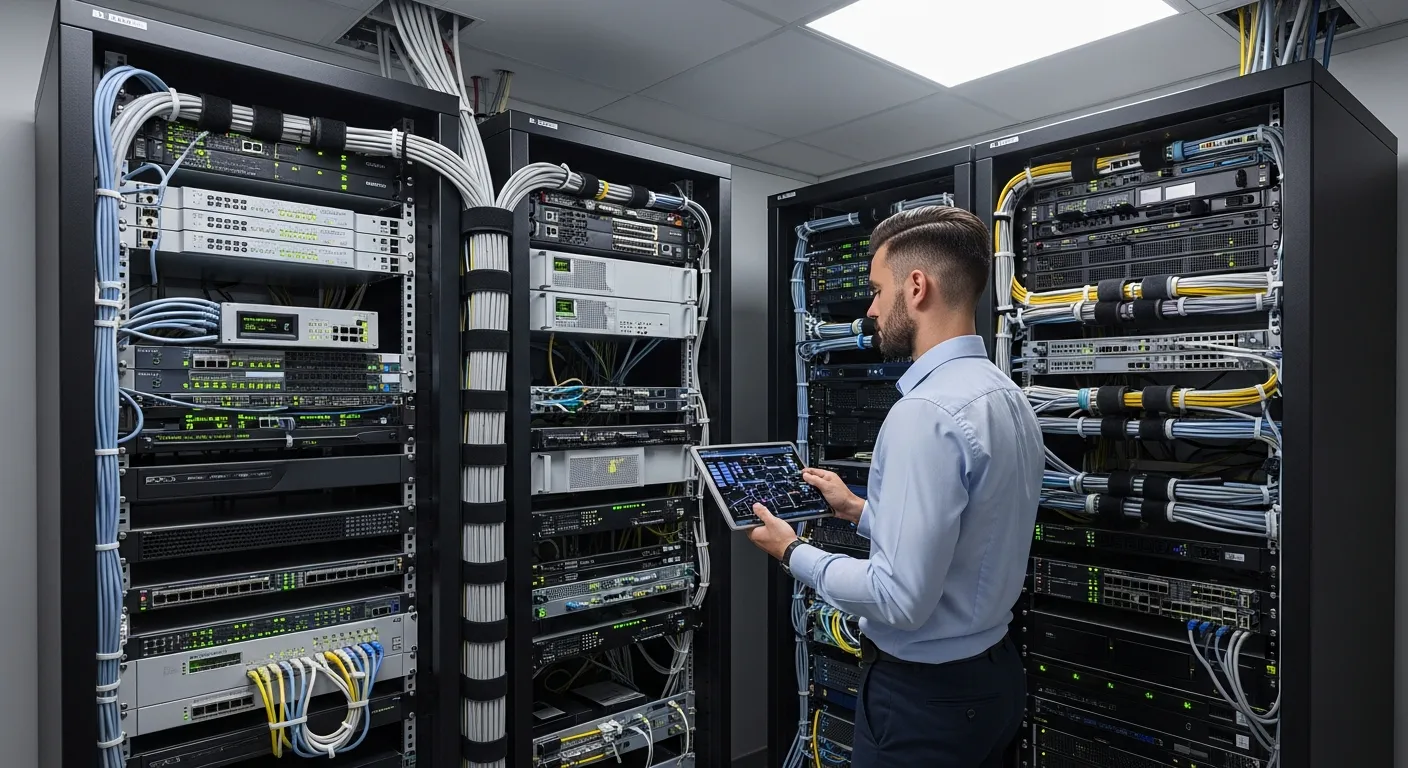
The technical team evaluates your entire IT environment. They inventory hardware, software, network infrastructure, and security controls. They test backup systems, check for vulnerabilities, and document how data flows through your organization.
At the end of this phase, you get a clear picture of where your technology stands and what needs attention.
Phase 3: Recommendations
Based on the assessment, your consultant presents prioritized recommendations. Each one includes the business reason behind it, the estimated investment, and the expected impact. Good consultants rank recommendations by urgency so you can make informed decisions about where to start.
This is where trust matters. A consultant who understands small business realities will not push you toward a six-figure infrastructure overhaul when targeted improvements will solve your immediate problems.
Phase 4: Implementation
Once you approve the plan, the technical work begins. Depending on the scope, this might include network upgrades, security deployments, cloud migrations, or software configurations. Your consultant manages the project, minimizes disruption to daily operations, and verifies that everything works as expected.
Computek’s team handles implementation for businesses across Central Texas, from Georgetown and Round Rock to Cedar Park and North Austin, providing both remote and on-site support.
Phase 5: Ongoing Support and Optimization
IT consulting is not a one-time project. Technology evolves, threats change, and your business grows. The best engagements transition into ongoing managed IT services that include proactive monitoring, help desk support, regular technology reviews, and strategic planning sessions.
This is where IT consulting delivers compounding value. Each quarter, your technology becomes more aligned with your goals, more secure, and more efficient.
How to Choose the Right IT Consultant for Your Small Business
Not all IT consultants deliver the same value. Here are the criteria that matter most when evaluating a partner:
Industry Experience
An IT consultant who works with businesses in your industry understands the software you use, the compliance standards you face, and the operational patterns that define your workflow. Whether you are in construction, manufacturing, legal services, or commercial real estate, industry experience reduces onboarding time and improves the quality of recommendations.
Computek works with businesses across Central Texas in construction, manufacturing, engineering, legal, accounting, commercial real estate, and non-profit sectors. That cross-industry experience means better solutions informed by real-world patterns.
Local Presence
When your network goes down or a security incident requires immediate response, a local IT partner gets to your office faster. For businesses in Georgetown, Round Rock, Cedar Park, Pflugerville, and the greater Austin area, proximity matters.
Computek has been headquartered in Georgetown, TX since 2001, providing IT consulting services with a team that knows the local business landscape.
Transparent Communication
The right IT consultant explains technology in terms you understand. They tell you what they recommend, why it matters for your business, and what it will cost, without hiding behind jargon or making you feel like you should already know the answer.
Scalable Solutions
Your IT needs today will not match your needs in two years. A good consultant builds solutions that grow with you. That means flexible service agreements, modular technology stacks, and a partner who proactively identifies when your systems need to evolve.

Proactive vs. Reactive Approach
Ask potential consultants whether they wait for problems or prevent them. A proactive IT partner monitors your systems continuously, patches vulnerabilities before they are exploited, and catches issues before they become outages. That approach saves money and headaches over time.
What Small Business IT Consulting Is Not
Setting expectations correctly prevents frustration. IT consulting is not:
- A quick fix. Meaningful technology improvements take planning and phased implementation.
- A product sale. A consultant recommends solutions based on your needs, not their vendor partnerships.
- A replacement for all IT staff. If you have an internal IT person, a consultant augments their capabilities with strategic expertise and specialized skills.
- Only for tech companies. Every business that depends on technology, which is every business, benefits from expert guidance.
Frequently Asked Questions
What is small business IT consulting?
Small business IT consulting is a professional service that helps companies evaluate their technology, identify risks and opportunities, and implement solutions aligned with their business goals. It covers cybersecurity, cloud services, infrastructure planning, data backup, and strategic technology roadmaps, all scaled for organizations with 10 to 75 employees.
How much does small business IT consulting cost?
Most small businesses in Central Texas invest between $2,000 and $10,000 per month for comprehensive IT consulting and managed services. The exact investment depends on your company size, the complexity of your IT environment, and the scope of services you need. Learn more about IT consulting fees.
How long does an IT consulting assessment take?
A typical assessment takes one to two weeks, depending on the size and complexity of your IT environment. The discovery conversation usually happens in the first meeting, and the technical evaluation follows. You should receive a full assessment report with prioritized recommendations within two to three weeks of starting the process.
Should I hire an in-house IT person or use IT consulting services?
For businesses with fewer than 50 employees, IT consulting and managed services typically deliver better value than a full-time hire. A single IT employee cannot cover cybersecurity, cloud management, network administration, and strategic planning at the same level as a team of specialists. Many businesses use IT consulting to complement a small internal team.
What industries benefit most from small business IT consulting?
Every industry benefits, but businesses in construction, manufacturing, legal services, financial services, healthcare, commercial real estate, and non-profit organizations see particularly strong returns. These industries handle sensitive data, face compliance requirements, and depend on reliable technology for daily operations. Computek specializes in serving these industries across the Georgetown, Round Rock, and greater Austin area.
Computek provides IT consulting and managed technology services for small businesses across Central Texas. With over 25 years of experience in Georgetown, our team helps businesses build technology strategies that are secure, scalable, and aligned with real business goals. Schedule a 15-minute call to talk through your IT needs, or call us at 512-869-1155.
Related Resource: Looking to scale but already have an internal team? Discover the Benefits of Co-Managed IT Services for Growing Businesses in Austin.