
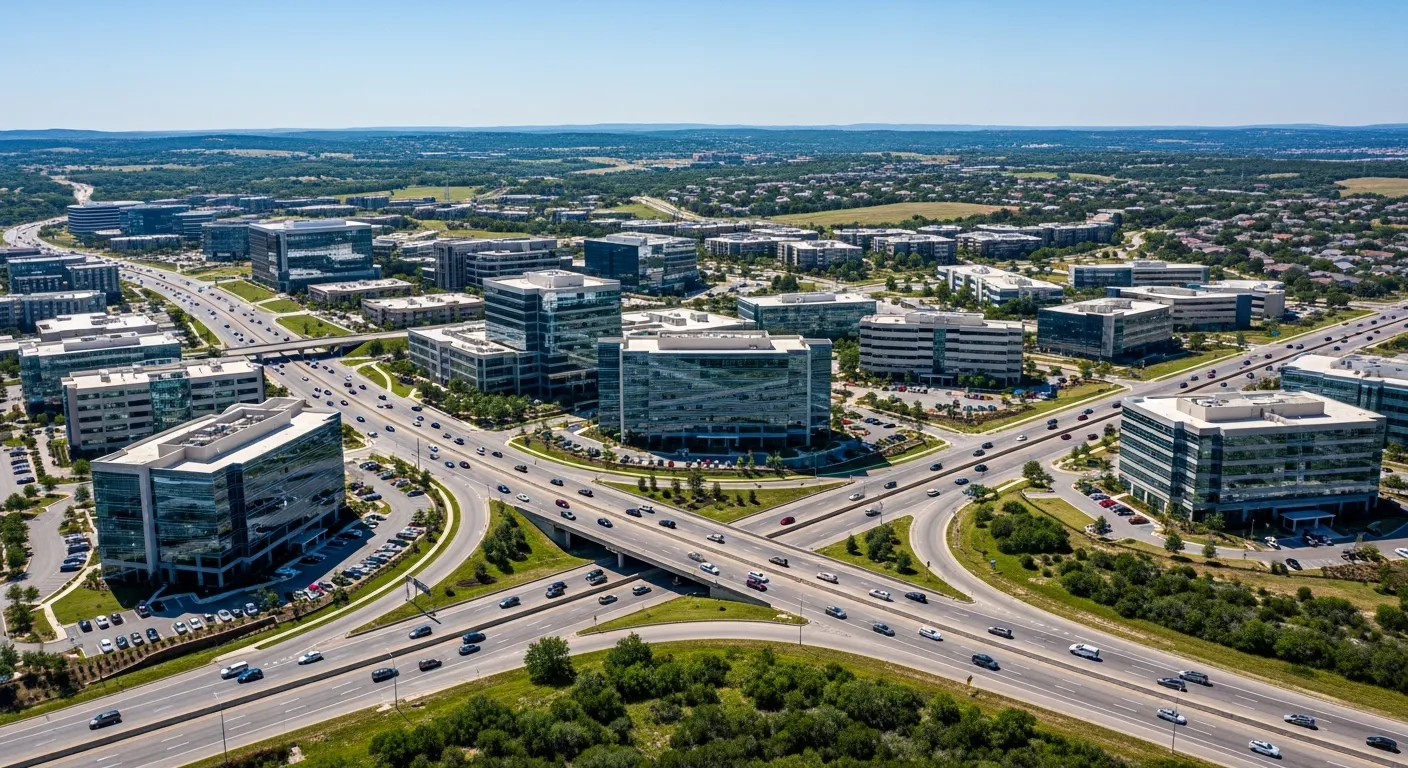
The Central Texas technology landscape is shifting fast. Between Samsung’s continued expansion in Taylor, Apple’s campus in North Austin, and Dell’s ongoing presence in Round Rock, the region has cemented its position as one of the most dynamic tech corridors in the country. But the impact of that growth reaches far beyond the companies building chips and software. Every business operating in Georgetown, Round Rock, Austin, Cedar Park, and the surrounding communities is feeling the effects.
For small and mid-sized business owners, understanding these technology trends is not optional. It is the difference between staying competitive and falling behind. This guide covers the most important IT and technology trends shaping Central Texas businesses right now and what you should be doing about them.
Key Takeaways
- Central Texas is experiencing a technology boom that affects every business, not just tech companies.
- Cybersecurity threats targeting small businesses are increasing, and Texas ranks among the top states for ransomware attacks.
- Cloud adoption and remote work infrastructure are no longer optional for businesses that want to attract and retain talent.
- AI and automation tools are creating new opportunities and new risks for companies that do not have the IT foundation to support them.
- Working with a local managed IT provider gives Central Texas businesses the strategic guidance and operational support they need to stay ahead.
The Central Texas Tech Boom and What It Means for Local Businesses
Central Texas technology trends in 2026 are driven by massive corporate investment, rapid population growth, and increasing demand for cybersecurity, cloud infrastructure, and managed IT services among small and mid-sized businesses across the Georgetown, Round Rock, and Austin corridor.
The numbers tell the story. Williamson County has been one of the fastest-growing counties in the United States for several consecutive years. Georgetown alone has seen its population surge past 75,000, Round Rock continues to expand along the I-35 corridor, and Leander and Cedar Park are growing at rates that outpace most cities in the state.
That population growth brings new businesses, new commercial development, and new technology demands. Companies that operated on basic IT setups five years ago now need enterprise-grade networks, cloud platforms, cybersecurity programs, and communication systems to compete for talent and serve their customers.
Five Technology Trends Shaping Central Texas Businesses
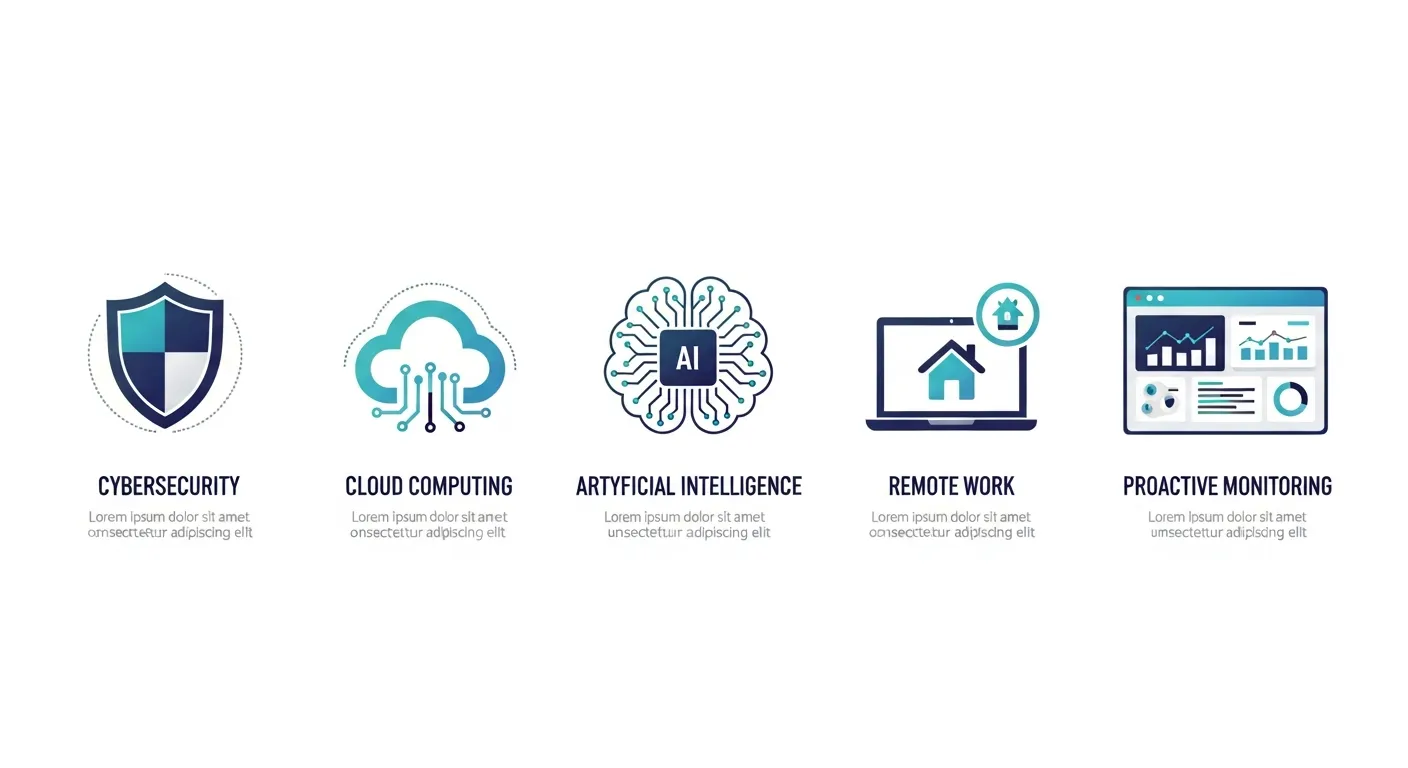
Five technology trends are reshaping how Central Texas businesses operate: escalating cybersecurity threats, accelerated cloud migration, the rise of AI and automation, remote and hybrid workforce infrastructure, and the shift from reactive break-fix IT to proactive managed services.
1. Cybersecurity Threats Are Escalating
Texas consistently ranks among the top states targeted by cybercriminals. Ransomware attacks against small and mid-sized businesses have increased sharply, with attackers focusing on companies in construction, manufacturing, legal, and financial services that handle sensitive data but lack dedicated security teams. The FBI’s Internet Crime Complaint Center has repeatedly flagged Texas as a high-volume target, and Central Texas is no exception.
For Central Texas businesses, this means cybersecurity is no longer something to address later. Endpoint protection, email filtering, employee security awareness training, dark web monitoring, and incident response planning need to be part of your IT foundation today. The businesses that treat cybersecurity as an afterthought are the ones that end up paying six-figure recovery costs after a breach.
2. Cloud Migration Is Accelerating
The shift to cloud computing is not new, but its pace in Central Texas is accelerating. Businesses in Georgetown, Round Rock, and Austin are moving file storage, email, collaboration tools, accounting software, and industry-specific applications to cloud platforms.
The benefits are clear: reduced hardware costs, easier scalability, and the flexibility to support employees working from any location. But cloud migration requires careful planning. Poor implementation leads to data silos, security gaps, and performance issues that offset the advantages. Cloud services managed by a local IT partner ensure your migration is done right and your cloud environment stays secure and optimized.
3. AI and Automation Are Creating New Opportunities
AI-powered tools are entering the mainstream for small and mid-sized businesses. From automated customer service responses and document processing to predictive analytics and marketing automation, these technologies can dramatically improve efficiency. Central Texas companies are beginning to adopt AI tools for everything from project management to financial forecasting.
However, AI adoption requires a solid IT infrastructure to support it. You need reliable networks, secure data pipelines, and enough bandwidth to handle AI workloads alongside your normal operations. IT consulting helps you evaluate which AI tools make sense for your business and how to implement them without creating new vulnerabilities or operational risks.
4. Remote and Hybrid Work Is Permanent
The experiment is over. Remote and hybrid work models are permanent fixtures in the Central Texas business landscape. Companies that cannot offer flexible work arrangements are losing talent to those that can, especially in a market where Samsung, Dell, Apple, and hundreds of tech companies set the standard for workplace flexibility.
Supporting remote work at a business level requires more than Zoom licenses. You need secure VPN connections, cloud-based collaboration platforms, endpoint protection for home devices, VoIP solutions for business communications, and policies that govern data access and security across distributed teams. Companies that invested in this infrastructure early are now reaping the benefits in employee retention, productivity, and operational resilience.
5. Proactive IT Management Is Replacing Break-Fix
The old model of calling an IT company when something breaks is dying. Central Texas businesses are increasingly shifting to managed IT services that provide proactive monitoring, automated maintenance, and strategic planning. This shift is driven by the cost of downtime, the complexity of modern IT environments, and the realization that reactive support is always more expensive than prevention.
Managed IT providers monitor your systems 24/7, apply patches and updates automatically, and identify potential failures before they cause outages. For businesses without a full-time IT department, this model delivers enterprise-level support at a predictable monthly cost.
What Central Texas Business Owners Should Do Now
Understanding these trends is the first step. Acting on them is what separates thriving businesses from those that get left behind. Here is a practical action plan for business owners in the Georgetown, Round Rock, and Austin area.

Get a technology assessment. Have a professional evaluate your current IT infrastructure, identify gaps, and recommend improvements. This gives you a clear picture of where you stand and what needs to change.
Prioritize cybersecurity. If you do not have endpoint protection, email security, employee training, and automated backups in place, start there. A single ransomware attack can cost more than years of proactive security investments. Data backup and disaster recovery is your insurance policy against the worst-case scenario.
Plan your cloud strategy. Moving to the cloud is not an all-or-nothing decision. Work with an IT partner to identify which systems and applications should migrate first and build a phased plan that minimizes disruption.
Invest in your people. Security awareness training, technology onboarding, and clear IT policies make your team more productive and your business more secure. Your employees are your first line of defense against cyber threats and your most valuable asset when adopting new technologies.
Partner with a local MSP. A managed service provider headquartered in Central Texas understands your market, delivers faster response times, and provides the strategic guidance that national providers cannot. Computek has served businesses across Georgetown, Round Rock, and Austin since 2001, and we help companies navigate exactly these technology decisions every day.
Frequently Asked Questions
What technology trends should Central Texas businesses prepare for?
The biggest trends affecting Central Texas businesses include escalating cybersecurity threats, accelerated cloud adoption, AI and automation tools, permanent remote and hybrid work models, and the shift to proactive managed IT services. Each requires investment in IT infrastructure and strategic planning.
How is the Central Texas tech boom affecting small businesses?
The influx of major tech companies like Samsung, Dell, and Apple has raised the bar for technology infrastructure across the region. Small businesses now compete for talent, clients, and operational efficiency in a market where modern IT is the baseline expectation.
Do small businesses in Central Texas need managed IT services?
Yes. Most small businesses with 10 to 75 employees benefit significantly from managed IT. It provides 24/7 monitoring, cybersecurity, help desk support, and strategic consulting at a predictable monthly cost, eliminating the need for a full-time internal IT hire.
What cybersecurity risks are highest for Texas businesses?
Ransomware, phishing, and business email compromise are the most common and most damaging threats. Texas consistently ranks among the top states targeted by cybercriminals, and small businesses without dedicated security teams are the most frequent victims.
How do I choose the right IT provider in Central Texas?
Look for a provider headquartered locally in Williamson County or the Austin metro, with industry experience relevant to your business, a proactive monitoring approach, transparent communication, and a proven track record of serving local companies.